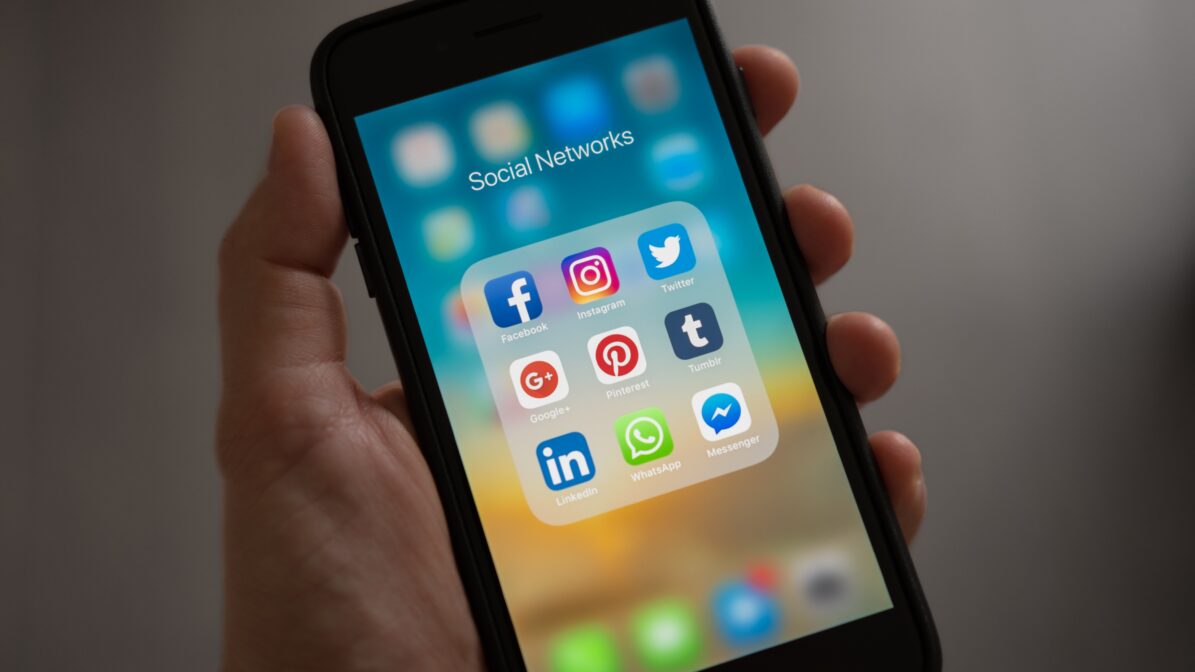
Social media has taken on a central role in the marketing and customer engagement efforts of many businesses.
With the number of global social media users expected to pass three billion by 2021, platforms like Facebook, Instagram, YouTube and Twitter provide unprecedented opportunities for brands to reach a wide audience.
This potential isn’t lost on companies today, with recent research by YouGov showing that 52 per cent of marketers see social media as either a big or a top priority for their organisation. Only 12 per cent of respondents said it wasn’t a priority at all.
Given the digital nature of social media, it’s reasonable to assume that its value lies in online brand building and the development of ecommerce customer relationships. However, recent research has indicated that an effective social media marketing strategy can also deliver results for firms that have a physical presence.
Physical Appeal
Digital content, channels and technologies make an extremely important contribution to the modern consumer experience, but there is evidence to suggest traditional, brick-and-mortar sites still hold a lot of appeal, particularly for younger audiences in the retail industry.
A study by the International Council of Shopping Centres found that 95 per cent of Gen Z (the youngest cohort of adult consumers) visited a physical shopping mall in the US during a three-month period in 2018, compared to 75 per cent of millennials and 58 per cent of Generation X.
Neil Saunders, an analyst at GlobalData Retail, told Bloomberg: “There’s always been this assumption that as you go through the age spectrum, the younger consumer that has grown up with online and digital and is very savvy would shun physical experiences. But actually, that’s not turned out to be the case.”
This seems to be supported by recent findings in the Sprout Social Index, which revealed that more than three-quarters (78 per cent) of internet users say they would visit a brand’s physical store after following it on social media.
Other common follow-up actions include:
- Visiting the brand’s website or app (87 per cent)
- Making a recommendation to friends or family (78 per cent)
- Talking about the brand to friends or family (78 per cent)
- Buying from the brand over another (77 per cent)
- Drawing inspiration from the brand (70 per cent)
- Increasing spending with the brand (67 per cent)
This diverse range of highly beneficial follow-ups to social media engagement underlines just how much modern businesses can benefit from making a positive impact on customers via their chosen social channels.
A Range of Influences
‘Omnichannel‘ has become a common buzzword in many areas of business, and particularly in industries like retail and financial services. If you succeed in the challenging task of building customer relationships across various channels, your company will have a lot to gain in terms of brand exposure, loyalty, and user satisfaction.
The importance of diverse influences, particularly for younger audiences, was highlighted in another study led by Atlantic Re:think, the creative marketing arm of The Atlantic magazine. It revealed that 55 per cent of Gen Z consumers were influenced by recommendations from friends or peers, while 48 per cent paid attention to brands’ social media activity.
Andrew Lipsman, principal analyst at eMarketer, said shoppers “look to social media to engage with brands and retailers in a new way”.
He added: “Rich media content, like video and stories, offers a huge opportunity to draw shoppers into the brand experience and deepen the relationship. Once they think of themselves as brand loyalists, customers will shop wherever that brand is present – whether online or in-store.”
Getting the Basics Right
There is huge potential for your brand to try all sorts of strategies on social media, from collaborating with influencers, to curating user-generated content, to creating impactful videos that capture people’s attention and tell your brand story.
Perhaps most importantly of all, however, you need to make sure you are doing the basics well. That means:
- Responding to questions, complaints and feedback from customers
- Publishing regular posts on subjects that are relevant to your business and of interest to your audience
- Asking questions and starting conversations
- Creating engaging, easily shareable content
- Having a strong, consistent profile on all channels
- Engaging with and following fellow brands and users
These are all fundamental elements of a successful social media marketing strategy, but they aren’t necessarily easy, particularly if you operate across borders and have to take different languages, dialects, cultural norms and local market trends into account.
A dedicated international social media marketing plan can prove instrumental in helping you overcome these challenges, particularly when combined with international SEO and website localisation.
Locaria can offer the tools to support your company’s efforts to build a global brand, via social media and other channels. To find out more, contact us on +44 (0)20 3948 6800, or request a quote online.