
It would be strange to think that the global marketing landscape would stop evolving: because it never will. It’s a constant. And technological advances—such as AI and the continual shift towards digital platforms—have reshaped how businesses connect with their audiences.
Brands and localisation companies alike have to lean in and adapt to the evolving landscape and technologies. And there are multiple facets which have been subject to acceleration in recent years, but here are the some of the main ones:
• A shift in consumer behaviour which has been influenced by factors such as the pandemic, societal change and sustainability concerns.
• The growth of e-commerce—accelerated by the COVID-19 pandemic—reshaping the retail landscape.
• The influence of social media which now plays a significant role in shaping consumer opinions and driving brand awareness.
As global marketing trends undergo transformation, so do the strategies that drive successful marketing campaigns. And staying ahead of the game is crucial.
In 2024—a year to move past AI planning and into implementation—brands will be navigating towards an era where technology, culture and communication intersect to redefine how they connect with audiences.
Here we focus on 3 key global marketing trends to look out for as we gear up for the year ahead: the power of language, the integration of artificial intelligence (AI), and the importance of cultural adaptation.
Let’s dive in.
Hyper-Personalised Localisation
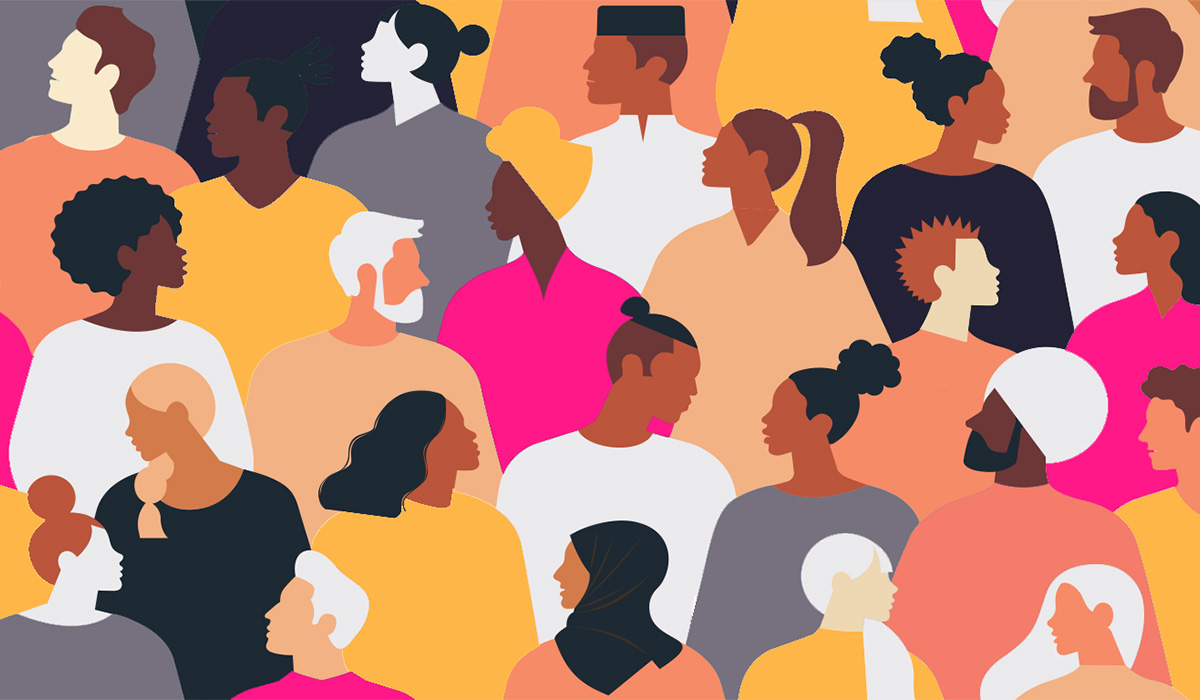
Language and localisation play a pivotal role in our increasingly interconnected lives and successful global marketing. And by this, we mean moving beyond the ‘straight-forward’ word-for-word translation and into the realm of linguistic nuance. Brands are investing in personalisation to address targeted audiences to a whole-new level, including adding regional dialects and cultural context which authentically resonate with a diverse consumer demographic.
An example of audience-tailored content in the UK could look like the recent Trebor OOH campaign ‘Own It’ in brummie, celebrating regional differences and accents. This Birmingham ad cleverly addresses its midland audience with “Why we all sound mint”. Hyper-personalisation allows this level of nuance—for both OOH and digital advertising—for brands to connect with their audience.
Yet different regions may have specific regulations or cultural sensitivities that impact marketing content. And a hyper-personalised approach to localisation allows brands to navigate these issues effectively, avoiding potential pitfalls and ensuring compliance with local conventions.
Tailoring content to the linguistic norms and preferences of each individual market ensures that a brand’s message is not just understood but deeply felt, thus fostering a sense of connection and trust.
But there’s a fine balance between establishing a global brand voice—managing a recognisable and consistent worldwide presence—and personalising textual and visual content at a local level to resonate with specific regions.
A survey by CSA research of 8,709 global consumers in 29 countries showed that, when choosing between two similar products, 76% of respondents will opt for the one with information in their language. At the same time, the survey highlights the importance of a strong global brand with 69% of respondents saying they would choose major brands they recognise over those with information in their own language.
This 2024, a clear marketing strategy which balances hyper-personalised localisation and a consistent global brand appearance is the way forward.
Continued AI Buzz

Artificial intelligence has been one of the buzzwords of 2023 as well as a huge global marketing trend. It’s has now become ubiquitous and—at the risk of sounding hyperbolic—is genuinely reshaping the landscape of global marketing.
AI has pushed the envelope in 2023, proving itself to be a real game-changer in several respects: unprecedented insights into consumer behaviour, automation of personalised campaigns, and improvement in customer experiences (CX); ultimately providing brands with an opportunity to create ultra-targeted campaigns for specific market segments.
It’s the linchpin of global marketing strategies.
And this is just the beginning. 2023 has largely been a year of planning and adoption, whereas 2024 is set to be a year of widespread implementation, as brands and agencies fully come to terms with the potential of AI-powered predictive analytics and start putting them into action.
The AI industry value is projected to increase by more than 13x over the next 7 years, and 83% of companies have declared that machine-learning technology is a top priority in their business plans.
Although there are countless advantages to AI, there are also various ethical considerations surrounding its application AI and ‘Responsible AI’, one thing is certain: AI is here to stay.
A report by the Capgemini Research Institute, executives predicted an 8% increase in sales and a 9% increase in customer engagement and satisfaction resulting from generative AI adoption in the next three years. Going into 2024 businesses will be looking to reap the benefits that tech has to offer: guiding strategic decisions, offering a competitive edge and enhancing customer experiences, to name but a few. And AI will be a strategic imperative for sustainable growth and success.
Cultural Adaptation: Diversity, Equity, Inclusion & Belonging (DEIB)

Diversity, equity, inclusion and belonging (DEIB) is important and part of a cultural zeitgeist evolving at speed. And we are currently witnessing a shift towards more inclusive representation in marketing, meaning that brands are continuously fine-tuning their strategies to resonate with multiple local audiences, with demonstrable success.
Take Western Union and EbixCash’s recent ‘Khule Dil Wali Diwali’ campaign, for instance, which delves deeply into the spirit and ethos of Diwali, focusing on the joy of giving, and bringing families and friends closer together in spite of borders and physical distance.
But cultural adaptation in 2024 is not just a checkbox activity; it’s a fundamental strategy for brands. Successful marketers will embrace cultural inclusion—not only recognising diversity, but also celebrating it. Global brands are becoming more and more attuned to the values, norms and traditions of different cultures, and ensuring that all aspects of their campaigns resonate positively, with little to nothing being lost in translation.
A refined DEIB approach triggers emotional responses from consumers—and numerous surveys have been published demonstrating links between emotional connections and higher ROIs—proving that consumers who feel an emotional connection are willing to spend more, have a higher lifetime value, and recommend the brand.
Bridging The Global-Vision Gap in 2024
Keeping on the lookout and staying up-to-date with language, technology and cultural trends is vital for businesses to maintain a competitive edge. In doing so, companies can ensure they are future-proofing their strategies while also forging a path toward a more connected, responsive and inclusive global marketplace.
At Locaria, we are committed to staying informed and updated on all aspects of marketing, cultural and technological trends. Using data-driven insights, we tailor marketing strategies for maximum impact and ensure you are targeting the right audiences with the right messages, across the right channels. Our team of market researchers, linguists, creative experts and organic media specialists, go beyond translation and adapt media for diverse audiences across all regions, keeping you ahead of the marketing landscape as we move forward into 2024 and beyond.