EURO 2024 has brought us some fantastic and sometimes surprising football, but the buzz hasn’t just been around the drama on-pitch. Tournaments of this scale also attract some of the most creative and captivating ads, all vying for success in the prestigious ad slots that accompany the matches.

One standout ad has captured Locaria’s German linguists’ attention through its brilliant hyper-localisation, using a whole host of cultural and linguistic nuances to draw in and engage the local audience, showing the power and value in creating content that resonates with your target audience. 

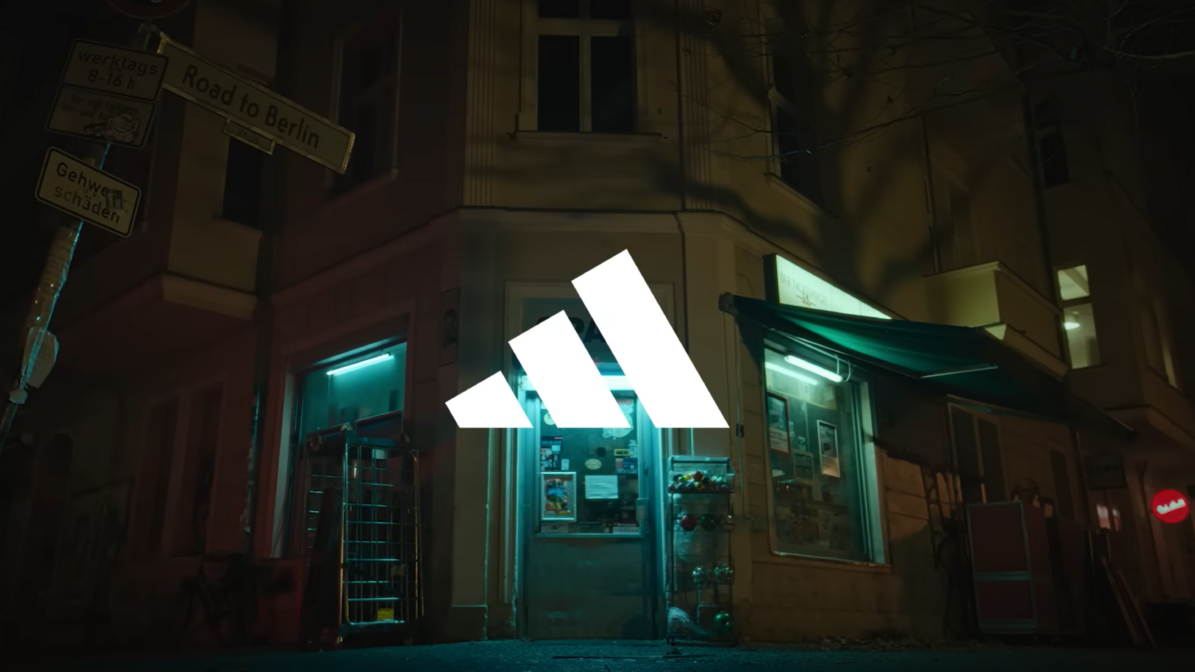
Typisch Deutsch by Adidas, considered by some as a tongue in cheek response to the German Football Association’s decision to switch the supplier of the national team’s kit away from Adidas, is a showcase of German culture, humour, and diversity, and has proven a hit among viewers. Let’s break down what makes this ad so special.


Challenging Cultural Stereotypes: Embracing Diversity

Its namesake and a recurring phrase throughout, the ad playfully mocks the phrase “typisch Deutsch” (“typical German”), emphasising Germany’s multiculturalism. Rather than reinforcing clichés, it celebrates the diverse cultural elements that define modern Germany. This inclusive message resonates widely, appealing to people from various cultural backgrounds and reinforcing the idea that German identity is multifaceted and evolving.

Iconic Song Choice: “Völlig losgelöst”

The ad’s heart beats to the tune of “Völlig losgelöst,” a beloved German track that strikes a chord across generations. This song isn’t just a nostalgic pick; it’s a smart move to evoke a sense of unity and shared heritage. Its instant recognisability creates an emotional bond that transcends age, proving how music can powerfully tap into a nation’s collective memory.

Humorous Stereotypes: Laughing at Ourselves

German punctuality and meticulousness – often stereotyped traits – are humorously highlighted in the ad. A character’s extreme attention to the bike lane is a playful jab at these stereotypes, turning them into a source of humour. This approach works because it acknowledges the stereotype without taking it too seriously.

Clever Cultural References: “Döner, aber bitte ohne scharf”

The ad’s standout line, “Döner, aber bitte ohne scharf” (“Kebab, but not so spicy please”), brilliantly captures a common German fast food order. Despite its grammatical inaccuracy, it’s a phrase everyone in Germany uses, making it instantly relatable. The response “Tipik alman,” blending Turkish to mean “typical German,” nods to Germany’s significant Turkish community. This interplay highlights the multicultural fabric of Germany while humorously pointing out the German preference for milder flavours.

Authentic Setting: The Kiosk

Setting the ad in a kiosk adds another layer of localisation. Kiosks are a staple of German daily life, especially in larger cities. The final shot featuring the “Späti” sign specifically refers to Berlin’s kiosks, acknowledging regional diversity within Germany. This detail grounds the ad in a familiar setting, adding authenticity and local flavour.

Irn-Bru getting in on the action with ‘Mannschaft’

Irn-Bru, arguably one of the most recognisable Scottish exports, also had some fun with a linguistic insight of its own during the tournament. For those of us watching from the UK, we were treated with an innuendo-laden advert based on the misunderstanding that could arise from an English-speaker hearing the German word for ‘football team’: ‘Mannschaft’.


Get in touch if you want to learn more about how to hyper-localise your own content.

By Oliver Barham

Oliver Barham is Global Marketing Director at Locaria, where he leads the company’s global marketing strategy and helps shape how Locaria takes its multilingual and multicultural expertise to market. With a focus on international growth, brand positioning and commercial strategy, Oliver works across teams to turn complex localisation challenges into clear, compelling propositions for global brands. His work spans thought leadership, digital strategy, product marketing and go-to-market activity, with a particular interest in how AI, local expertise and cultural intelligence can work together to help brands grow effectively across markets. He also plays a key role in the commercial development of Locaria’s technology and service propositions, helping connect innovation with the real-world needs of global marketing teams.

Learn more

Related Posts

Blogs

Locaria certified to ISO 9001 and ISO 17100 standards

Following an extensive review of Locaria’s workflow and quality processes, the company has this week gained certification by the international quality standards ISO 9001: 2015 and ISO 17100: 2015, for the provision of localisation and multilingual content services and translation services, respectively.

Blogs

An intern’s perspective of Locaria

Over the summer, Locaria had the pleasure of welcoming our new intern, April Wong, to the team. April is an alumna of King Edward’s High School for Girls and is entering her last year at Edinburgh University, where she majors in English literature and Russian Languages studies. After spending the month of August with us, we caught up with April to find out how her experience went.

Blogs

Meet Vkontakte: Russia’s biggest social network

Generations of Russians continue to be shaped by a platform little heard of outside of the world’s largest country. Vkontakte/ Вконтакте literally translates to, ‘to be in touch’. Otherwise known as VK, it’s Russia’s largest and most popular social network, with the RuNet generation spending more than 2 hours on it daily. 24% of users are under 18, with the majority belonging to the 18-34 demographic. Almost 70% write at least one post per month.

Blogs

Why tone matters: making the right impression in German markets

The German saying, “Der Ton macht die Musik” (the tone makes the music) states an important fact of everyday communication: it is not just what you say that’s important, but also how you say it. It might seem ironic to some that German has a proverb on the importance of considerate communication, given the language and its speakers’ reputation for being direct and sometimes slightly blunt. However, it might be that preference for efficient and precise communication that makes German all the more nuanced and complex.

Blogs

What are Google algorithms?

Google aims to deliver the best search results for its users. How does it do this? Through various complex algorithms used to immediately deliver the best possible results for each query. Google can analyse words, match your search, consider context, and ranks useful pages for you.

Blogs

Germany’s digital landscape vs. online behaviour

More than 4 billion people around the world are using the internet – meaning over half of the world’s population is now online. So how about one of the biggest European markets and leading economies? Regarding the structure of its digital landscape, Germany has trailed behind. Why is this the case, and what are Germans up to when they access the internet?

Get Started

Every beautiful relationship begins with a simple hello.

So let’s chat. It might be the start of something.

Contact us