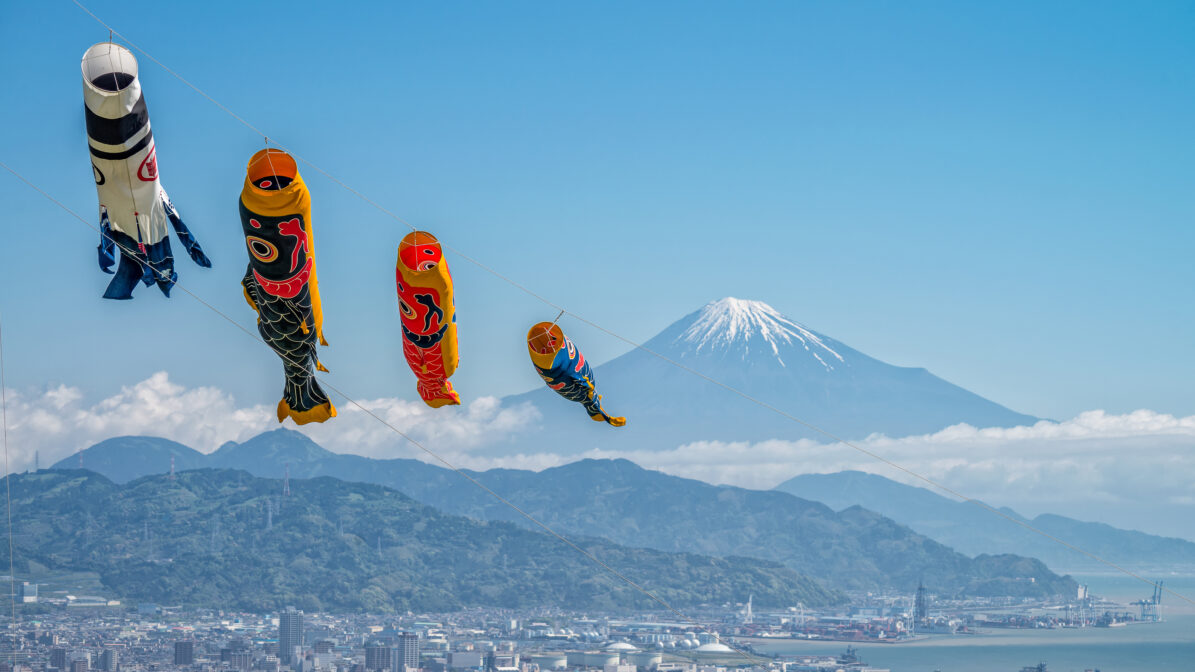
Golden Week takes place at the end of April and beginning of May, and is a time when many Japanese workers get a well-earned week off. This is because there is a cluster of national holidays all at once. This includes April 29th, as well as the 3rd to the 5th May. Since May 4th falls between two holidays, this too is designated a national holiday.
Taking place in September, Silver Week is like Golden Week’s autumnal sibling. Though similar, it includes fewer holidays than its Springtime counterpart. The name ‘Silver Week’ also has a double meaning: ‘silver’ is a term that is commonly used to describe the older generation, owing to their grey hair. It should come as no surprise then, that ‘Respect for the Elderly Day’ on the third Monday of September is one of the holidays included in Silver Week.
In 2019, due to the combination of national holidays and weekends, Japanese workers will benefit from an even longer Golden Week period. In addition, next year Japan will celebrate the accession of a new emperor on May 1st, and the Japanese government is in the middle of discussions as to whether or not it will be designated as a one-off national holiday. This would make Golden Week an opportunity for many Japanese workers to celebrate 10 consecutive days off. When it comes to Silver Week, there will be two 3-day weekends in September. This time of year is generally considered the best time to travel due to its cooler, more comfortable climate, so will no doubt also be a popular month for holiday bookings.
The estimated number of Japanese travellers for the 2018 Golden Week period is just over 24 million, which is an increase of 1% compared to 2017. Out of nearly 24.5 million people, more than 95% will travel domestically, and another 585,000 will travel abroad. Overall, Golden Week brings a more than 1 trillion Yen (approx. 8 billion GBP) boost to the economy.
Among the Japanese, Asian countries remain high on their list of most popular overseas travel destinations. Hong Kong has seen a 4% increase in bookings, and Taiwan a 2% increase. Meanwhile Korea and Singapore remain favourites. Despite all this, Hawaii has maintained its position as the No.1 overseas holiday destination for Japanese people in the last 6 years. Of this year’s most popular choices outside of Asia, Austria and Croatia are also among the top 5.
So, what do they like to do? Japanese tourists are big fans of ticking off their chosen destination’s most famous sites, and often research meticulously in advance. Examples include the cavern in Liverpool for Beatles lovers, Lake Windermere in the Lake District for Beatrice Potter readers, Moomin World in Finland for Moomin lovers, Sagrada Familia in Barcelona and the Eiffel Tower in Paris – you may have heard of ‘Paris Syndrome’?
The oldest historical monument, the newest gallery, the tallest mountain, the most fashionable afternoon tea, the best fish & chip restaurant – whether it’s food or cultural sites, Japanese tourists often seek the ‘most famous’ things to tick off their itinerary. Shopping is also a highlight of many Japanese holidays, and not just for big designer brands. Since gift-giving is such a huge part of Japanese culture, this also includes piles of ‘omiyage’ or souvenirs to bring home for colleagues, neighbours, family and friends.
Bookings for Golden Week usually start in January, and more than 69% of year-round holiday bookings are made online. The giant travel agents such as JTB, H.I.S and Rakuten Travel often offer a discount on early-bookings (i.e. 120 days before the departure) or other incentives such as spa vouchers, free hotel room upgrades, discounts on airport transfers, and mileage points when you stay at selected hotels.
With large numbers of Japanese people expected to start planning their holiday in the coming 6 months, make sure you have all the ‘fun, must-see, best in town’ keywords to engage holiday seekers, and keep a close eye on your competitors.