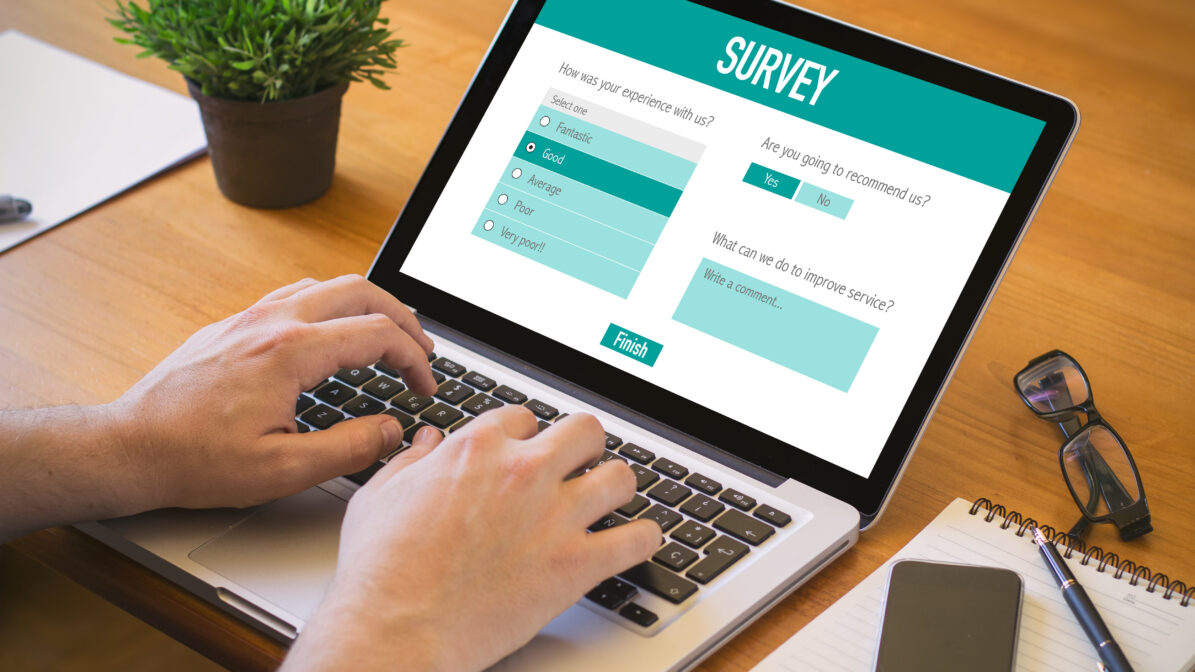

The trouble with open-ended responses, however, is that analysing verbatim responses is very time-consuming: not only does each response have to be read individually, but we also need a way to group responses in order to have quantifiable data we can analyse and work with.
Coding is a method used to categorise the open-ended (verbatim) responses acquired from such surveys so that they can be analysed and treated as quantitative data.
CODE FRAMES
One of the first steps of coding is creating a “key” or code frame — in other words, the groups we want to categorise the responses in. The code frame can consist of a list of responses we expect to hear from the consumer, or it can be created once the data is received after a quick overview of the types of responses, after considering what sort of codes would be required.
For example, if we were querying about the experience of customers staying in a hotel room, we can predict responses such as “clean”, “relaxing”, “good service”, “friendly staff”.
Once we have a key, we can begin to group individual responses into these categories.
A response that says “tidy” could be added to the group “clean”; “peaceful” could be added to the group “relaxing”, et cetera.
However, on some occasions, more codes may need to be added to the code frame. If, for example, more than one respondent was to use the term “peaceful” to describe the environment, this could be added to the code frame, ensuring the categories are relevant to the feedback collected.
Multiple codes may also be added to a single response, e.g. “The room was clean and the beds comfortable” would merit both the codes “clean” and “comfortable”. Responses ranging from single words to multiple sentences can be coded with the same method. Furthermore, coding allows the researcher to ignore responses that are not relevant by assigning them a value that indicates so, and subsequently exclude them from the analysis.
CODING AND LINGUISTICS
There are also benefits to coding from a linguistic point of view. A native-speaking analyst can categorise foreign-language responses by giving them codes directly from the original English code frame. This saves the researcher having to translate the content of a large number of verbatim responses as well as the corresponding code frames for each language.
Individual responses must be read by people rather than simply sorted by a machine process. Whilst for this reason coding can be very time-consuming, human intelligence surpasses the problems that automatic categorising would run into, such as misspellings and vague meanings. The trick to efficient coding is understanding and interpreting the meaning and intention of the respondent — this nuanced approach is something automated processes simply aren’t yet capable of doing.
Coding allows the researcher to analyse verbatim responses effectively and thus to gain more depth, precision and insight into the consumer experience. This successively allows the end client to enhance the presentation of the brand and improve their marketing strategies with increased accuracy and targeting.