
In South Korea, May is known as the ‘Family Month’ or even ‘The Month of Appreciation’, as it contains three special days; Children’s Day (May 5th), Parents’ Day (May 8th), and Teachers’ Day (May 15th). Children’s Day is even a designated national holiday. Along with special days to show appreciation for family members and teachers, the entire month is filled with a range of events aimed at all generations, from young children to the elderly.
TRADITIONAL CELEBRATION
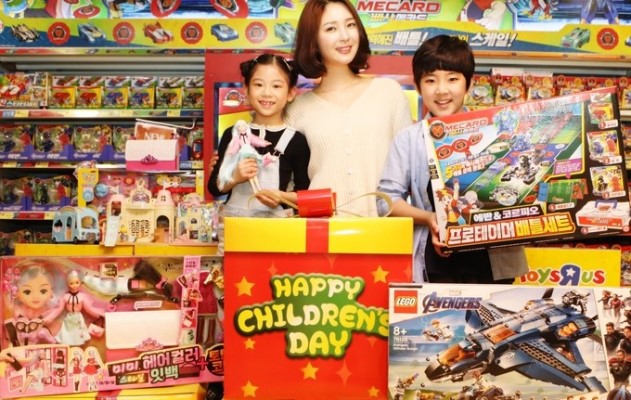
Before the rise of the internet, the traditional way to celebrate Family Month was usually to buy presents for children, such as toys, books, school bags, new clothes etc. Children would give parents real or paper-made carnations with letters of gratitude and love.
21ST CENTURY CELEBRATION TRENDS
With the growth of the digital space, the development of digital marketing, and even the social shift away from the traditional nuclear family, the way Family Month is celebrated has evolved. Contemporary Family Month has a new emphasis on sharing memories and experiences, such as ‘healing activities’ (healing or ‘힐링’ in Korean encompasses both mental and physical wellness, relaxation, and life satisfaction), special dining experiences, or even travelling.
Over the past decade, G Market — one of the largest online retailers in Korea — has launched a ‘Family Month Sale’ every year. A variety of products are included in the promotion, such as carnation garlands, children’s toys, books, health products, electronic appliances, computers and even massage chairs.
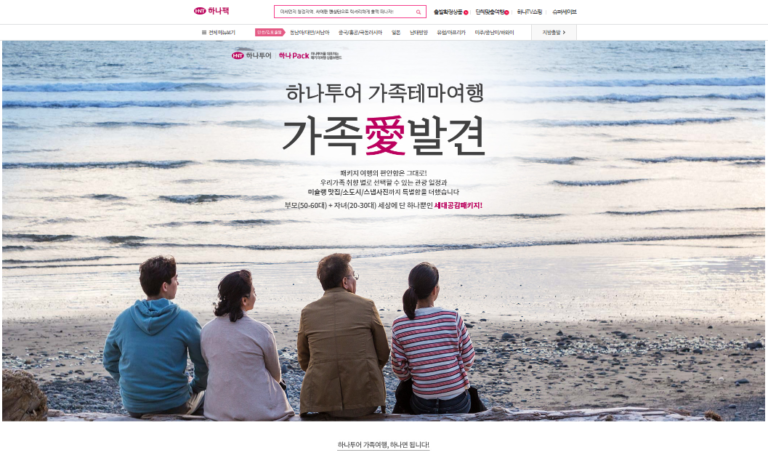
Korea’s most popular travel agency, Hana Tour promotes various family-themed travel products in May every year. In 2018, Hana Tour launched themed travel packages targeting families with children, as well as families with older parents. These varied from domestic trips to Jeju Island, a UNESCO Natural Heritage Site, to overseas trips to Japan, Thailand, and even Europe. According to the National Statistics Bureau of Korea, travelling population in May was recorded third highest, just behind Lunar New Year’s Day (Seollal) and Autumn Eve (Chuseok).
THE PERFECT MARKETING OPPORTUNITY FOR THE KOREAN MARKET
With such a huge cultural trend, global retail and travel industries have already started eyeing up Family Month. Travel booking website Expedia issued discount coupons in Korea for May 2018. In 2017, Hilton initiated a promotion for Children’s Day named ‘Grand Hilton Seoul Kids Lounge’. Marriott hotels have also been hosting special themed events such as ‘Mother-daughter Day Spa’, and ‘Family Day’ events specially for this time of year. Golf resorts in the Philippines have even launched ‘Parents’ Day’ hotel packages for Korean tourists visiting the Philippines during May. Some local tourism packages for South East Asian countries such as Thailand and Vietnam even include special shopping time for Korean mothers.
Family Month is an ecommerce opportunity that cannot be ignored. However, it is key for global businesses targeting the Korean market to understand and respect the local tradition. From here, appropriate marketing strategies can be formulated to grab the interest of local consumers.
Combined with ‘직구’ (Jikgu, meaning a direct purchase from an overseas online marketplace for a cheaper price, rather than purchasing overseas goods through the brand’s local store) culture in Korea, it has become much easier for global retailers to target Korean consumers. For example, China-based online retailer Ali Express has already set up a localised Korean website in response to rapidly growing popularity in Korea. Jikgu culture carries huge potential for larger international retailers to find footing within the Korean market.
May is clearly a month of opportunity for the ecommerce sector in South Korea. With an exceptional boost in sales at this time of year, what better time to introduce your business to a new and lucrative market? Locaria can assist you with new market entry, as well as with campaign and website localisation. To get a quote or find out more, contact us today.